Professional Roofer Providing Superior Roofing Services
Appointing a professional roofer constitutes a prudent choice for homeowners in search of quality roofing solutions. These professionals not only guarantee compliance with local building codes but also grant access to superior materials. Their ability to uncover and tackle foreseeable problems early can conserve substantial time and money. Becoming familiar with the multiple roofing options obtainable and their perks can improve this process. What factors should property owners weigh when determining the most suitable professional for their needs?
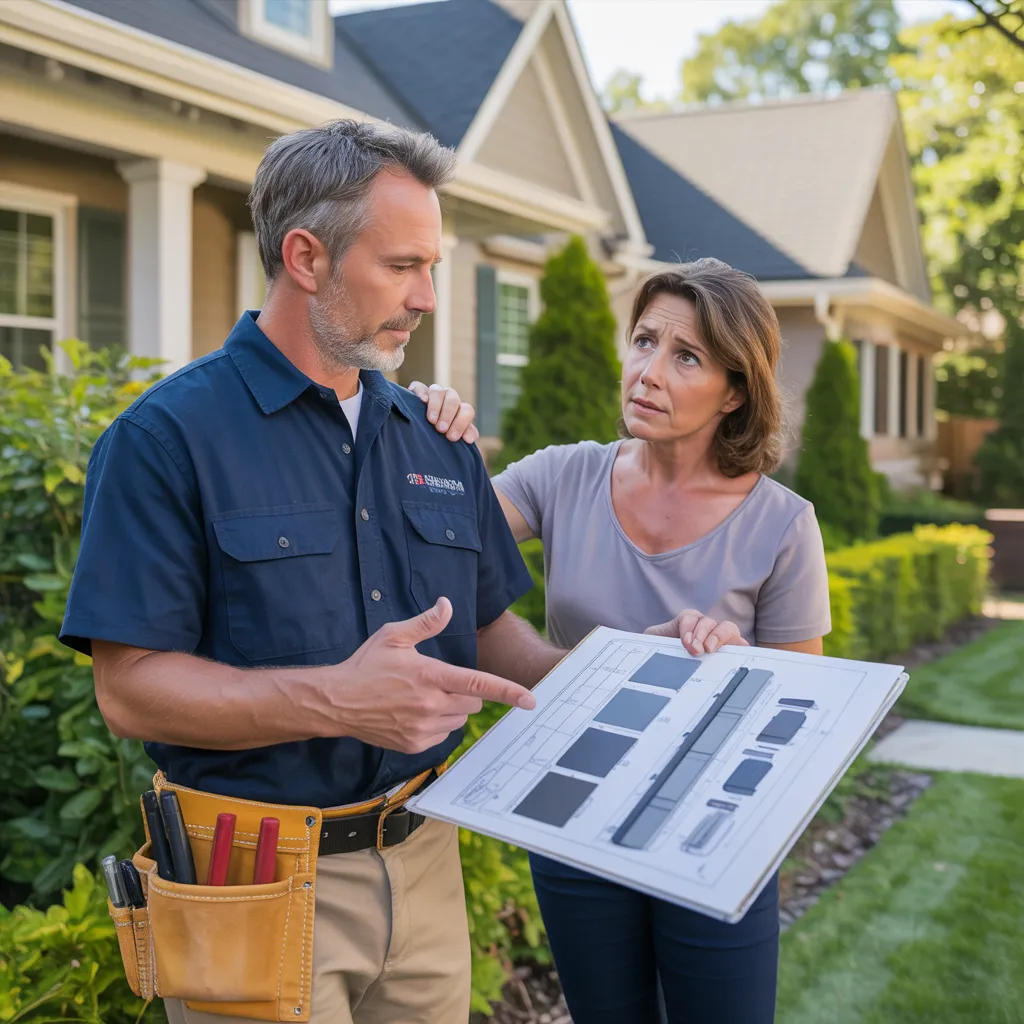
Why You Should Engage a Professional Roofer
When evaluating a roofing project, engaging a skilled roofing contractor ensures both quality and secure installation. Experienced roofing professionals possess the required education and knowledge to manage various roofing challenges effectively. Their background enables them to identify possible problems before they escalate, ensuring lasting performance. Furthermore, they are well-versed in local building codes and compliance requirements, which reduces the chance of regulatory issues.
Furthermore, skilled roofing contractors have availability of high-quality materials that may not be available to the average homeowner, enhancing the overall effectiveness of the roof structure. They also offer guarantees that can offer mental reassurance, safeguarding the investment made in the roofing project. Importantly, safety matters most; professional roofers are furnished with the proper equipment and safety gear to perform their work without risking injury. To conclude, hiring a professional roofer is a wise decision for achieving a reliable and safe roofing solution.
A Handbook to Common Roofing Materials and Their Benefits
Numerous roof options are obtainable, each providing distinct advantages tailored for multiple desires and requirements. Asphalt shingles are among the most popular due to their affordability, ease of installation, and variety of colors. Metal roofing, recognized for its durability and harsh weather resistance, also reflects heat, rendering it energy-efficient. Slate tiles provide a timeless aesthetic and outstanding longevity, while clay tiles offer excellent insulation and can handle harsh climates.
For individuals pursuing eco-friendly alternatives, rubber roofing is becoming mainstream; it reflects the aesthetic of expensive materials and is produced from recycled products. Wood shakes deliver a natural, rustic feel but need increased maintenance. Finally, synthetic roofing materials unite the best features of traditional options, ensuring versatility and resilience. Each material offers unique benefits, making it essential for homeowners to assess their needs and contact professionals when selecting the best roofing solution.
Standard Roof Problems and How Professional Contractors Fix Them
Common roof troubles, for instance moisture damage and leaks, can produce significant structural problems if not addressed without delay. In addition, compromised or missing shingles diminish the roof's durability and subject the home to further threats. Professionals employ diverse techniques to identify and resolve these issues, guaranteeing sustained protection and peace of mind for homeowners.
Leaks and Moisture Damage
Leaks and water damage present considerable difficulties for homeowners, often leading to costly repairs and structural concerns. These issues typically stem from a variety of sources, including aging materials, improper installation, or even severe weather conditions. Water infiltration can compromise insulation, encourage mold growth, and weaken structural integrity. Professional roofers utilize advanced techniques to identify and address leaks effectively. They conduct thorough inspections to pinpoint vulnerable areas, employing tools such as moisture meters and infrared cameras. Once identified, they implement targeted solutions, which may include sealing, flashing replacement, or, in severe cases, partial roof replacement. By addressing leaks promptly, professionals help homeowners mitigate damage, ensuring long-term protection and peace of mind.
Missing or Damaged Shingles
Roofing issues often emerge through missing or damaged shingles, which can jeopardize a home's protective barrier. These defects render vulnerable the underlying structure to elements, possibly causing leaks and ongoing decay. Professionals generally execute thorough inspections to identify the magnitude of destruction. They may advise replacing individual shingles or entire sections, depending on the severity. Using top-tier materials, experienced roofers guarantee proper installation to prevent upcoming problems. Additionally, they assess the roof's overall condition to address any dormant issues, such as poor ventilation or foundational vulnerabilities. Regular servicing and timely fixes are essential for maintaining a roof's integrity, ultimately defending the home against water intrusion and other environmental hazards.
Picking the Finest Roofing Alternative for Your Home
When selecting the best roof solution for a home, it is essential to assess individual roofing needs first. Recognizing the variety of roofing materials in stock and their costs can greatly shape the choice process. Financial planning also play a vital role in ensuring that the picked solution meets both aesthetic and operational.
Analyzing Your Roof Needs
How can one select the most appropriate roofing option for their home? Beginning with roofing needs involves examining the home's architectural style and local climate. Homeowners need to consider aspects such as energy efficiency, durability, and maintenance requirements. A detailed inspection of the current roof can show potential problems that may affect material choices. Additionally, budget limits matter greatly; knowing the long-term costs versus initial investment is key. Getting advice from a professional roofer can offer valuable insights and suggestions designed for specific needs. In the end, the decision should strike a balance between aesthetic tastes and functional needs, ensuring the chosen roofing system adds to the home’s value while delivering lasting protection.
Material Choices Summary
Choosing appropriate roofing materials constitutes a fundamental phase in the entire roofing process. Homeowners need to review various options, each featuring separate strengths and weaknesses. Asphalt shingles are preferred for their affordability and ease of installation, while metal roofing guarantees resilience and thermal performance. Clay and concrete tiles supply a stylish, long-lasting solution, notably fitting for warm climates. Wood shakes exhibit a earthy character but require more maintenance. Synthetic materials, like rubber or plastic, follow established patterns while ensuring extended lifespan. Furthermore, green priorities may inspire some homeowners to pursue environmentally responsible alternatives including green roofs or recycled materials. At the end of the day, determining the finest roofing material is contingent upon the home's design, climate, and personal preferences.
Financial Constraints Examined
Budgeting for a roofing project usually requires thorough consideration of several elements to guarantee homeowners choose the most appropriate option for their needs. First, material selection significantly impacts both initial costs and long-term durability. Asphalt shingles may be cost-effective, while metal or tile options might offer greater longevity but at a higher price. Additionally, labor costs can vary based on the roofing contractor’s expertise and the project’s complexity. Homeowners should also factor in potential unexpected expenses, such as the need for structural repairs or permits. Finally, considering long-term savings through energy efficiency and warranties will help in making an informed decision that balances upfront investment with future benefits.
A Overview to the Roofing Procedure
Getting familiar with the roof installation procedure can greatly enhance a homeowner's experience during a roof renovation. Initially, homeowners should expect a detailed inspection of the existing roof to assess its condition and the necessary repairs or replacements. Following the assessment, a comprehensive plan will outline the extent of the project, materials, and timeline.
After the project commences, homeowners can anticipate an well-planned setup with safety measures in place to preserve their property. The roofing detailed guide crew will clear out old materials, inspect the underlying structure, and install new roofing systems according to industry standards. Interaction is essential, as homeowners should expect regular updates on progress and any unforeseen complications.
To conclude, the work completes with a thorough inspection to guarantee craftsmanship and adherence to specifications. Homeowners should also be given maintenance advice to sustain the life of their new roof, highlighting the importance of understanding the entire roofing process.
Why Regular Roof Check-Ups Matter
Although many house owners may ignore roof care, routine inspections are important for maintaining the structural integrity and lifespan of a roof. These evaluations help spot small problems before they become costly damage. By catching issues such as leaks, loose tiles, or moss growth early, house owners can conserve both time and money.
In addition, regular check-ups ensure that the roof adheres to local building codes and regulations, which can prevent future complications during property transactions. Seasonal changes can wear down roofing materials, making it essential to observe wear and tear.
Moreover, a well-kept roof boosts the visual attractiveness of a home and enhances its market value. Performing routine evaluations not only preserves the structural strength of the property but also delivers reassurance for homeowners. Ultimately, stressing roof check-ups is a proactive approach to home care that generates benefits in the long run.
Searching for and Hiring a Capable Roofer in Your Area
Upon acknowledging the importance of periodic roof inspections, homeowners frequently pursue qualified experts for repairs and maintenance. Identifying a reputable roofing professional in their region can be challenging; however, several useful methods can facilitate the undertaking.
Before starting, property owners should request recommendations from acquaintances and relatives who have lately had roof work. Feedback and scores visible on sites including Google and Yelp can also offer important information regarding a roofer's standing.
Once a list of prospective applicants is compiled, homeowners should verify credentials, including licenses and insurance. Requesting multiple quotes allows them to compare prices and services offered.
Furthermore, asking about coverage and protection plans can help ensure long-lasting outcomes. By adhering to these steps, property owners can securely hire a skilled roofing contractor who satisfies their specific requirements, guaranteeing their roofs remain in optimal shape for many years to come.
Often Discussed Queries
Which Requirements Are Vital When Hiring a Experienced Roofer?
When selecting a professional roofer, prioritize qualifications like proper licensing, complete insurance, extensive experience, excellent customer feedback, and adherence to industry standards. These aspects assure reliable workmanship and protection against potential liabilities.
What Period Does a Regular Roofing Project Need to Complete?
A standard roofing project usually takes between one to three days, based on the complexity and size of the roof, weather conditions, and the crew's productivity. Larger or more intricate roofs may need additional time.
Do Roofing Warranties Transfer if I Sell My Home?
Roofing guarantees are often transferrable, but particular requirements apply. Property owners should examine the warranty documents for details on transfer eligibility, as some manufacturers require notification and may have deadlines for the transfer procedure.
What Can I Do if I Think Roofing Issues After a Storm?
If structural damage to the roof is suspected after a storm, the homeowner should examine the roof for visible issues, document any damage, and consult a professional for an evaluation to determine necessary repairs and prevent further problems.
How Can I Preserve My Roof Between Professional Reviews?
Routinely inspect the roof for debris, examine for damaged shingles, and empty gutters to prevent water retention. Address small issues promptly and remain alert for signs of leaks or wear between professional inspections.